From Sacramento to Washington: PERK’s 2026 National Work, and Where the Federal Bills Stand
Dear PERK Members,
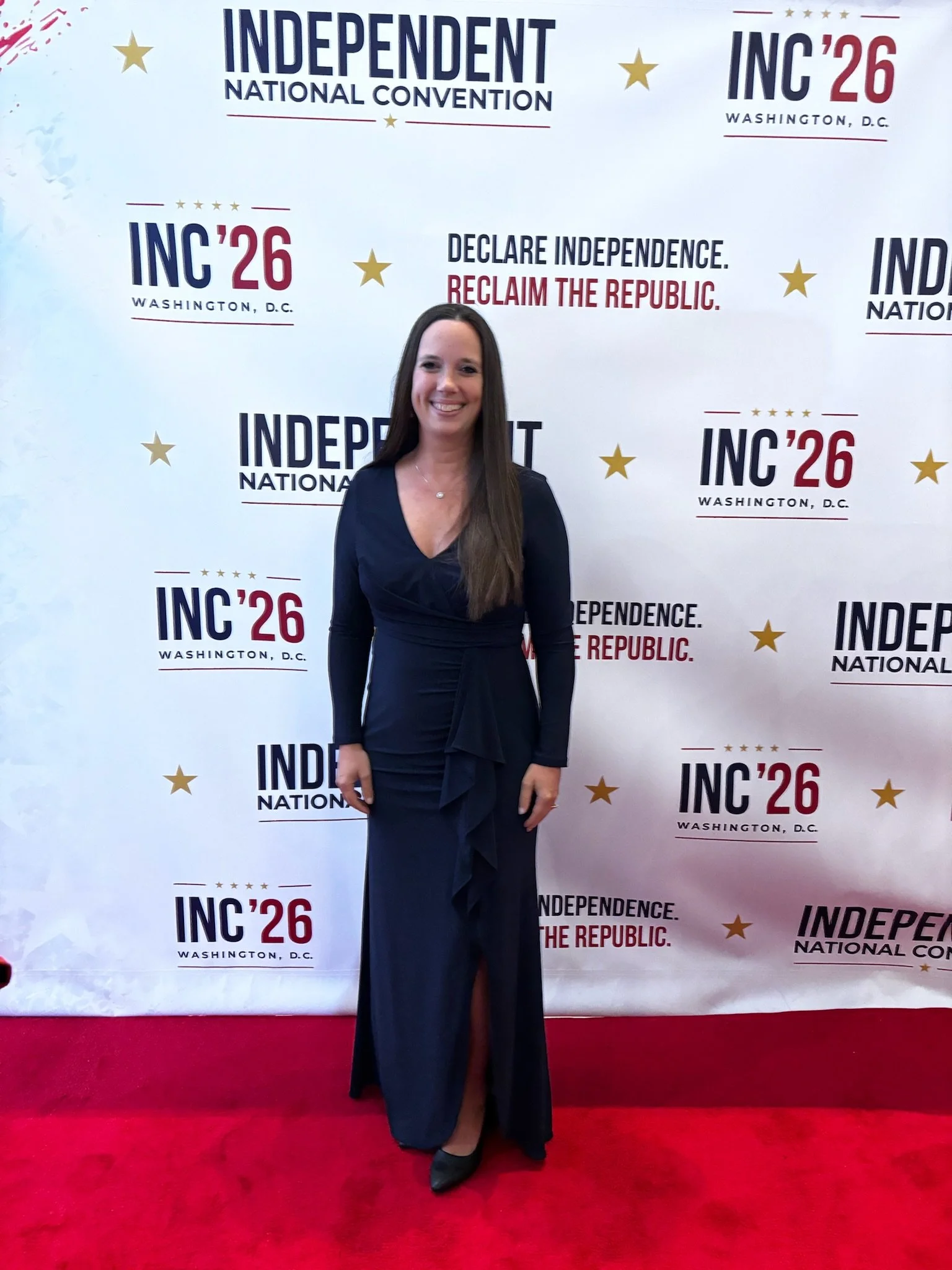
Most of you know PERK from the California Capitol, our school boards, and our courtrooms. This year we carried the same fight to Washington, D.C., and we want you to see what that looked like, because you made it possible.
Your Voice in Washington
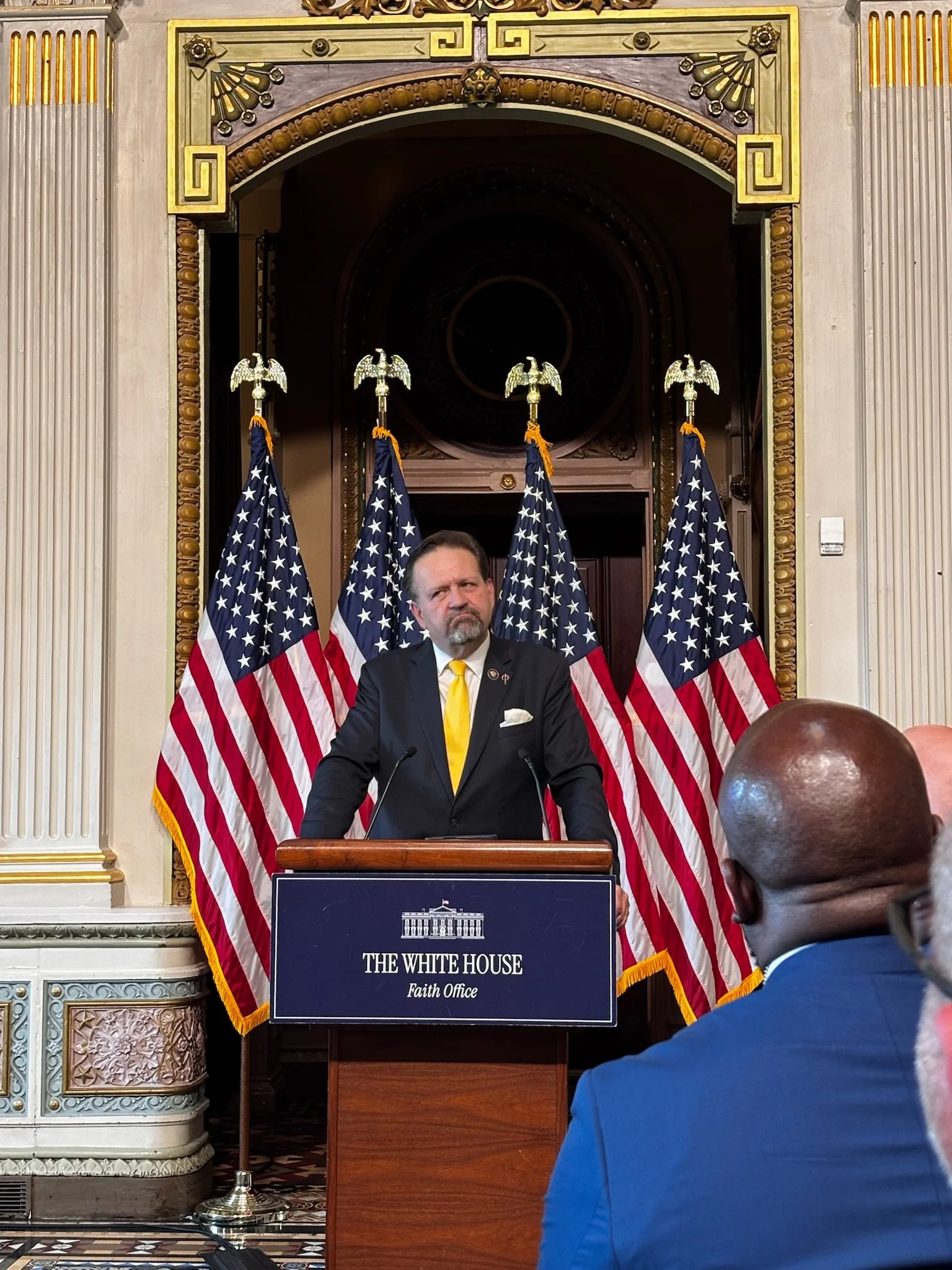
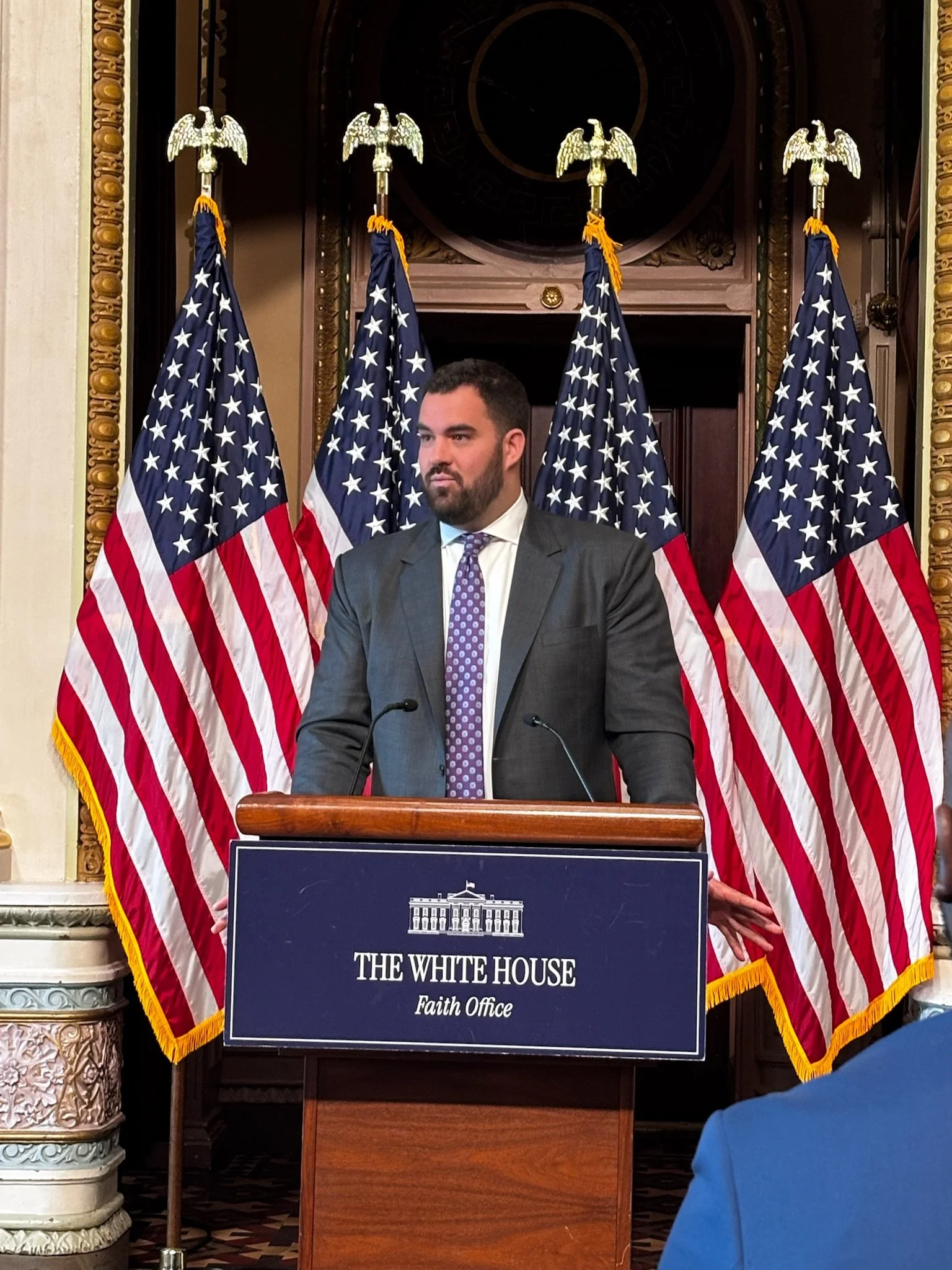
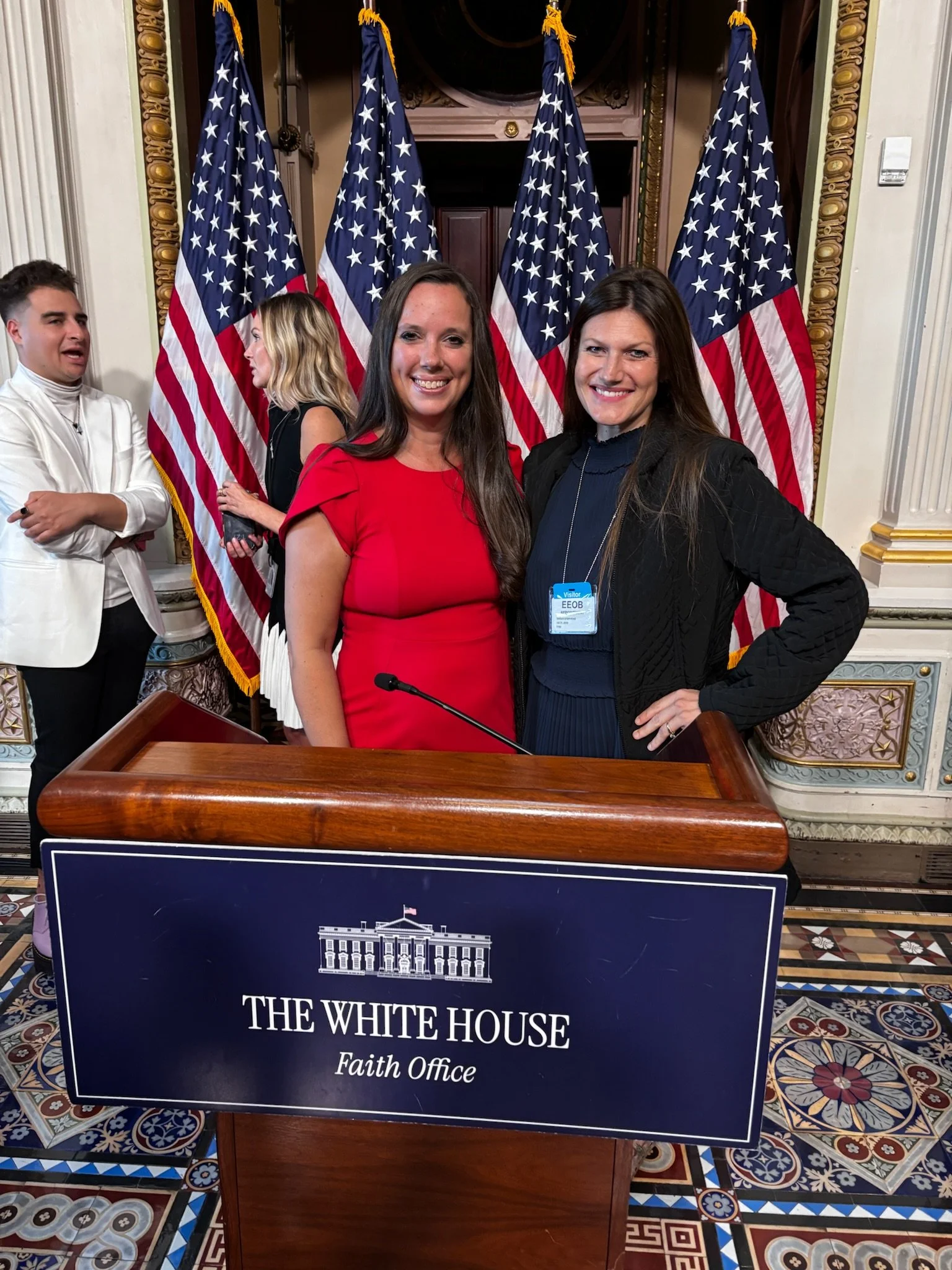
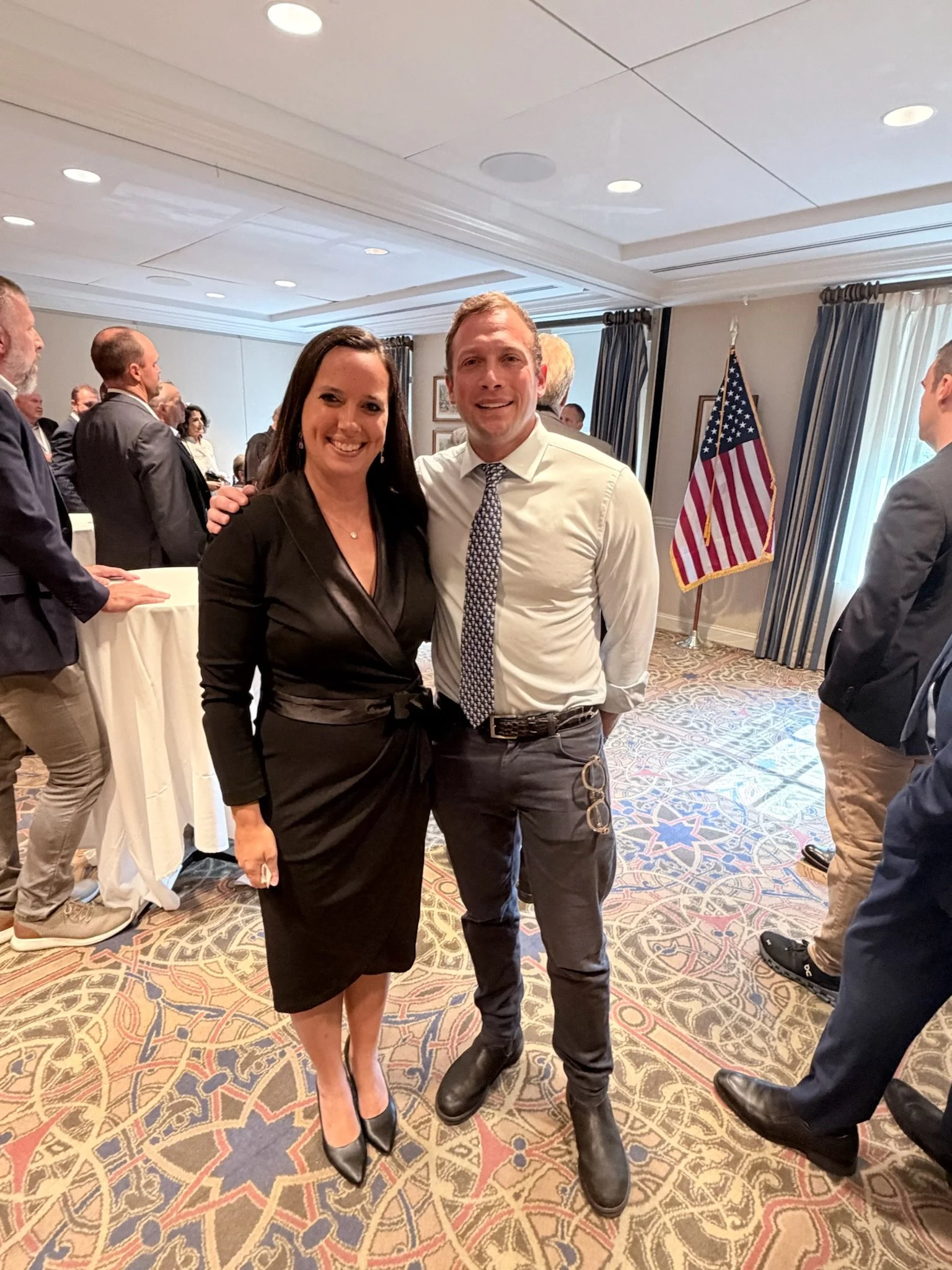
This summer, PERK was invited to a White House Faith Office briefing in Washington. After the formal program, we handed senior advisors to the President a packet laying out California laws being violated, the real consequences families are facing, and specific policy solutions. We did not shy away from health freedom. We shared your stories of exemptions denied, doctors’ offices closed to your children, and schools that turned families away.
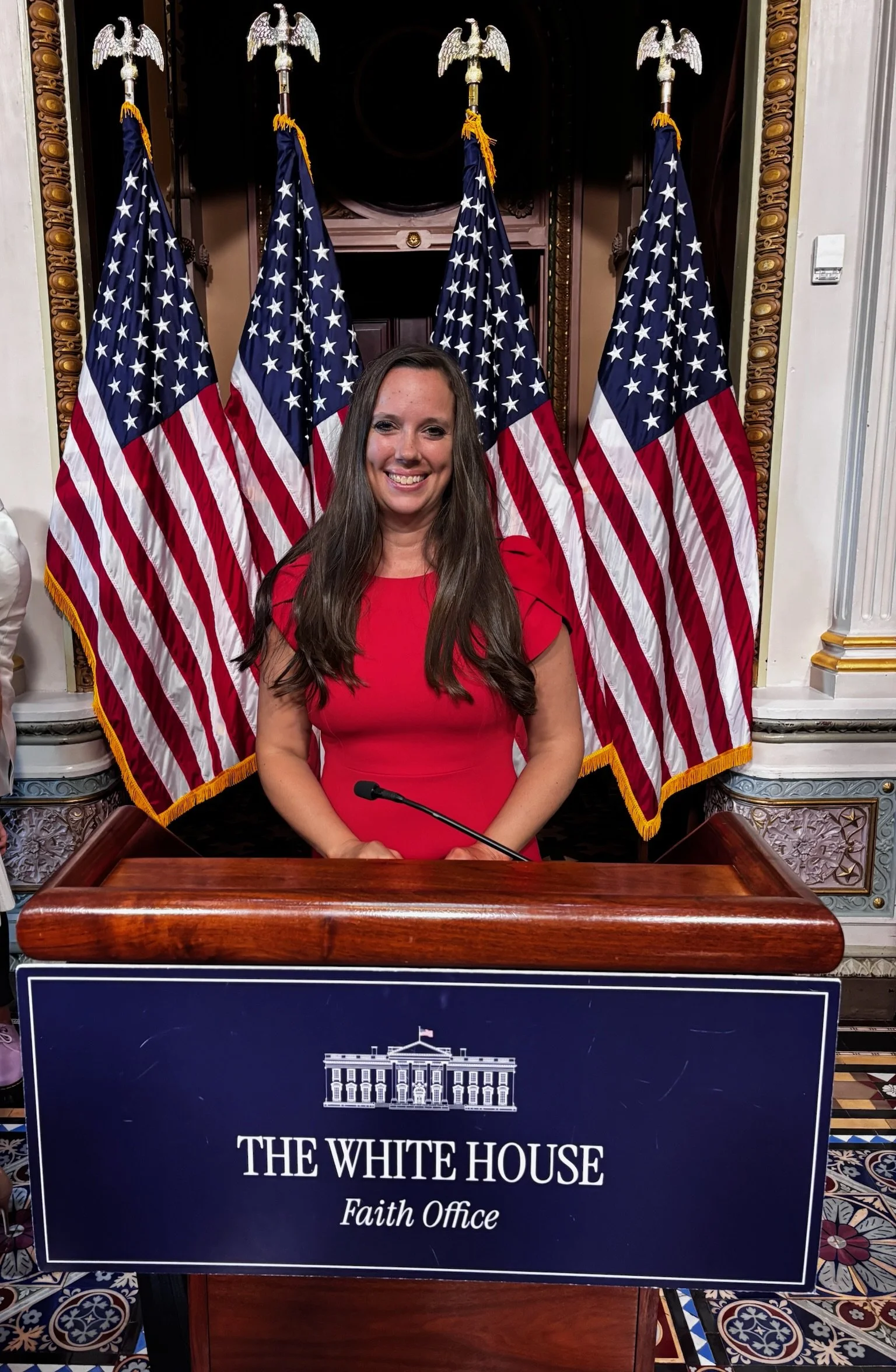
That briefing was one part of a much larger year:
Letters and executive order requests to the White House Faith Office, HHS, the President, the Religious Liberty Commission, and the HHS Office for Civil Rights.
Two formal comments filed with HHS on how federal vaccine recommendations should handle informed consent and religious freedom, prepared with Rebekah Ricks of Momentum Strategies.
A national parent survey. 767 parents told us what really happens at the point of care. Fewer than 1 in 10 felt free to ask questions or decline without consequence. Those results are now part of the federal record. [Click Here for Summary]
Relationships with members of Congress willing to carry legislation for families.
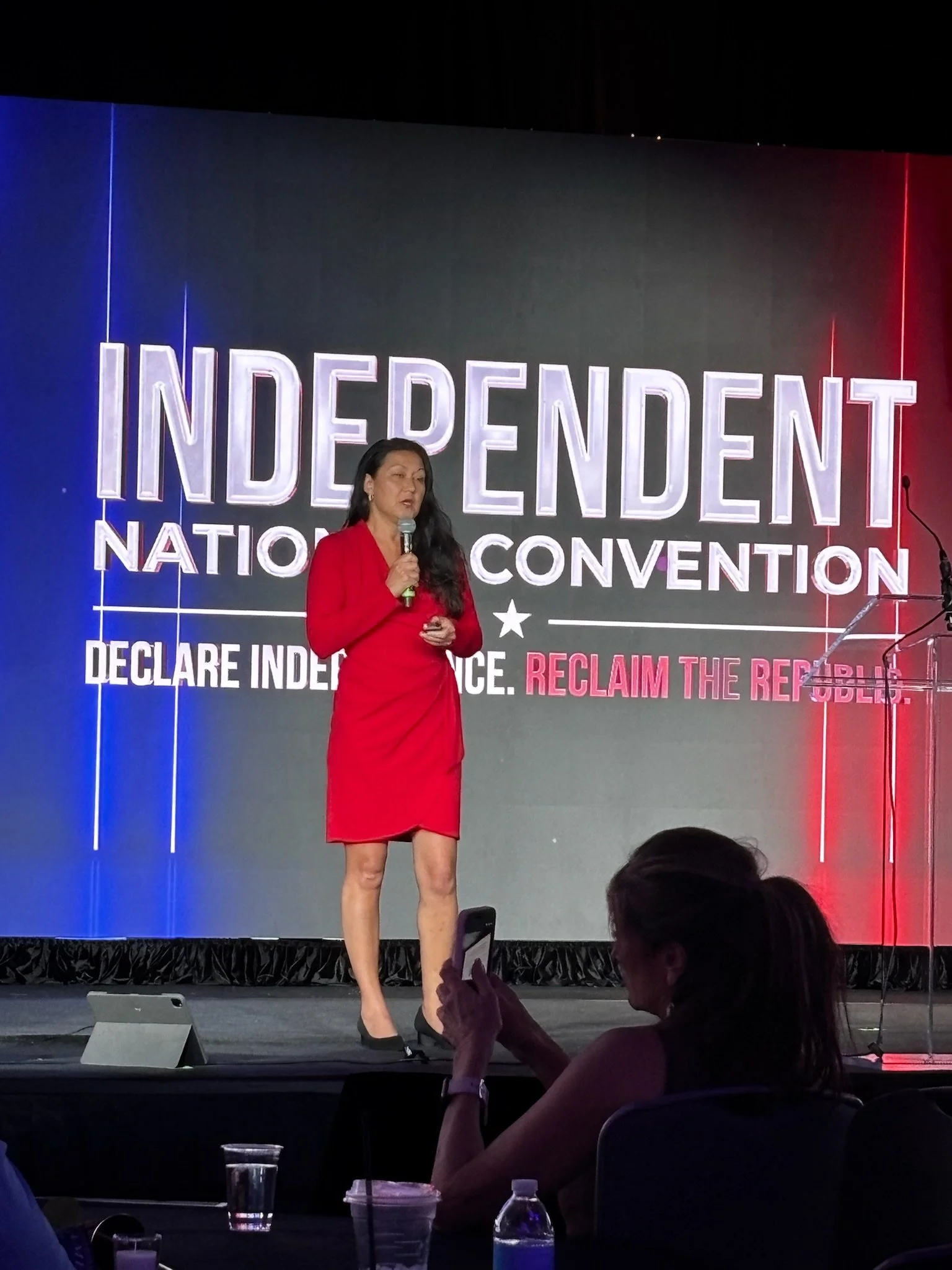
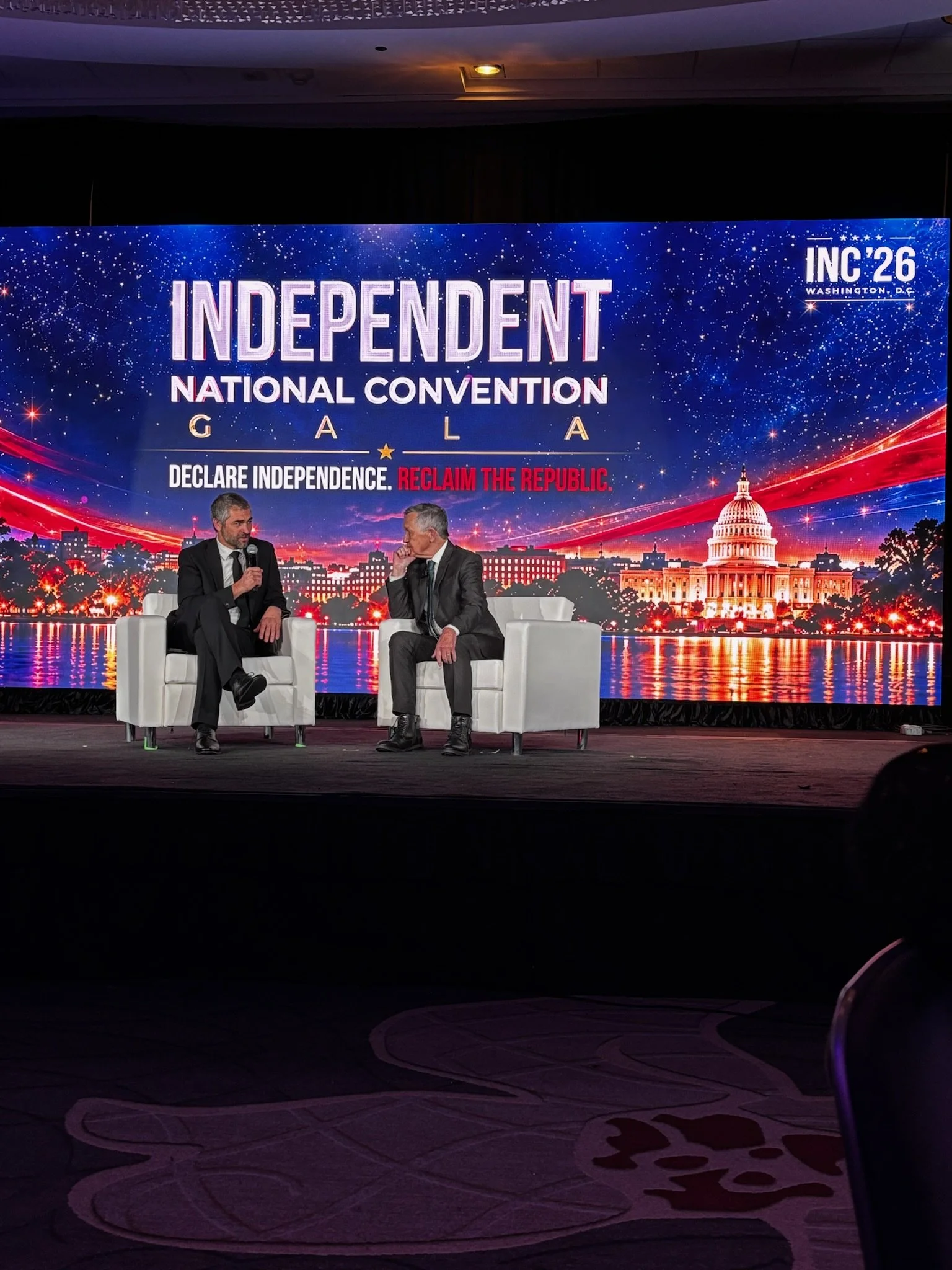
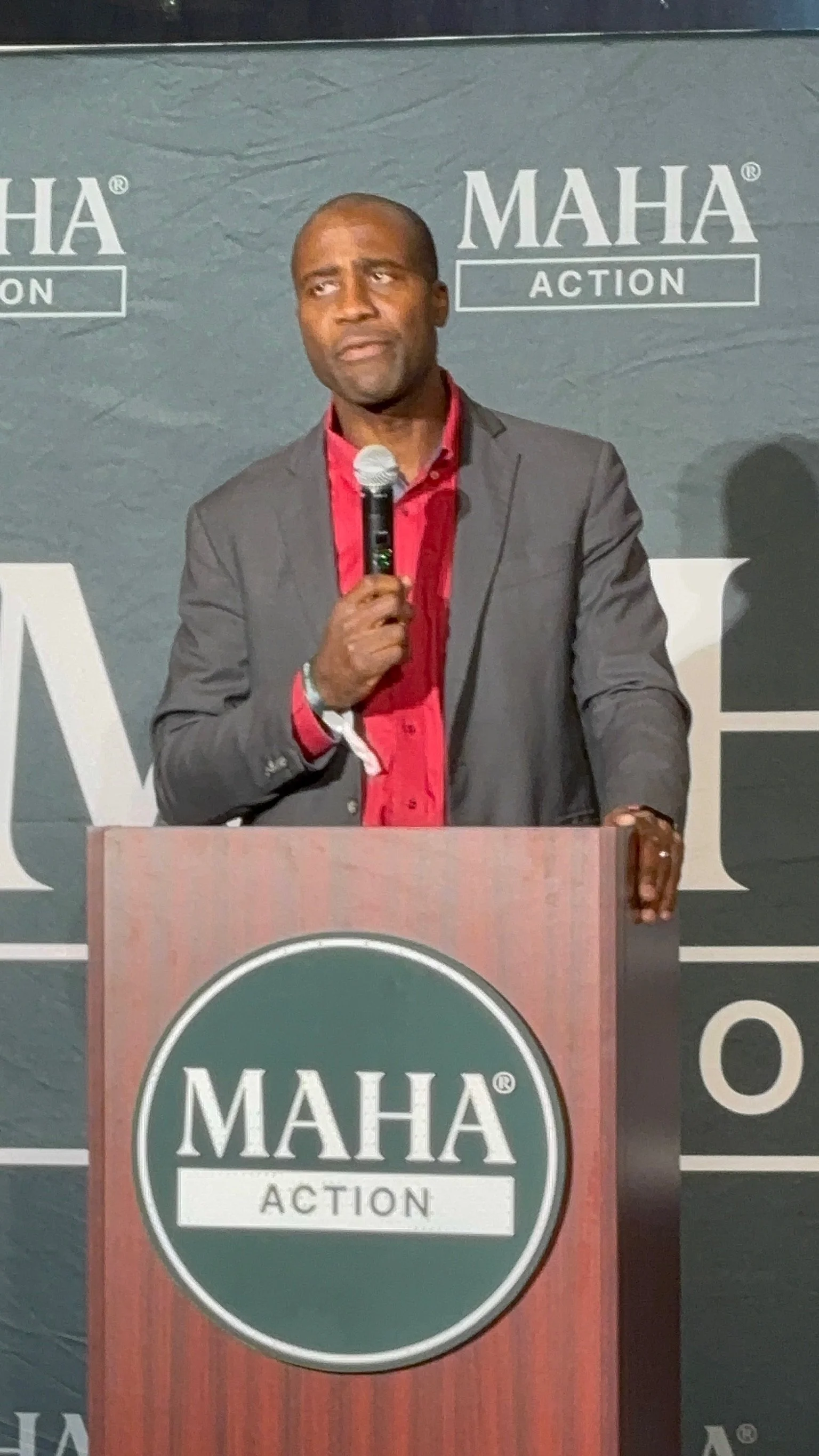
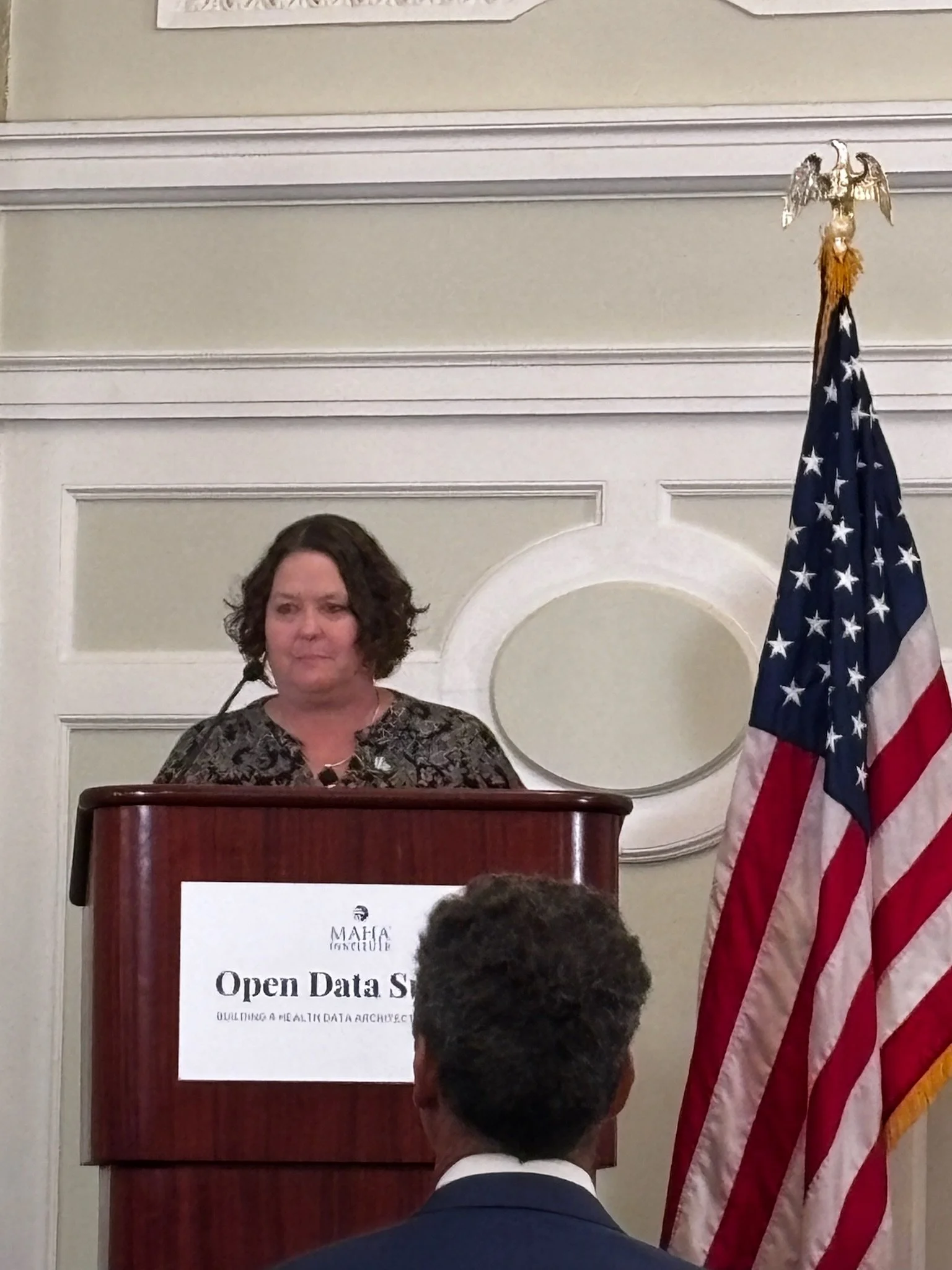
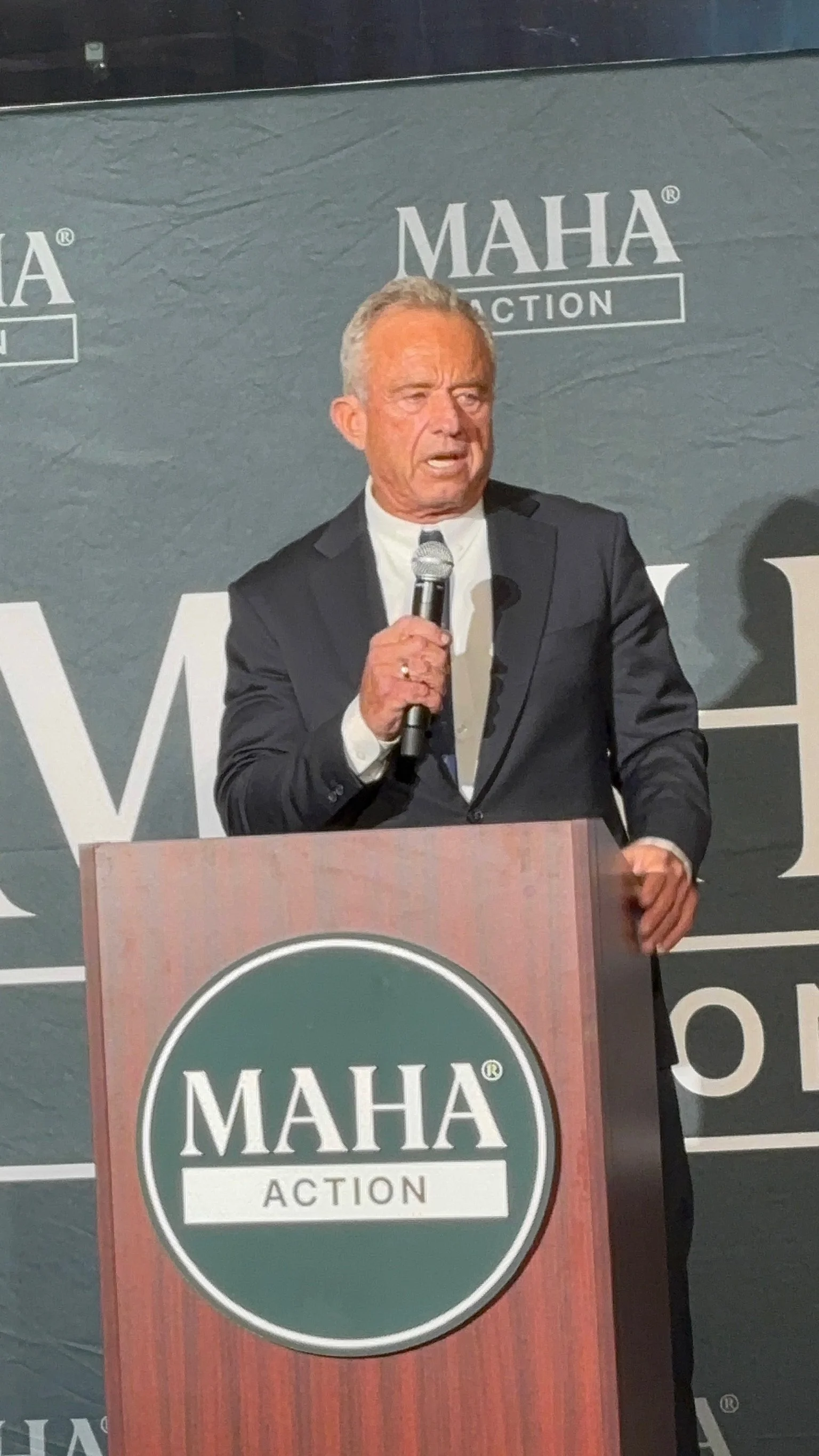
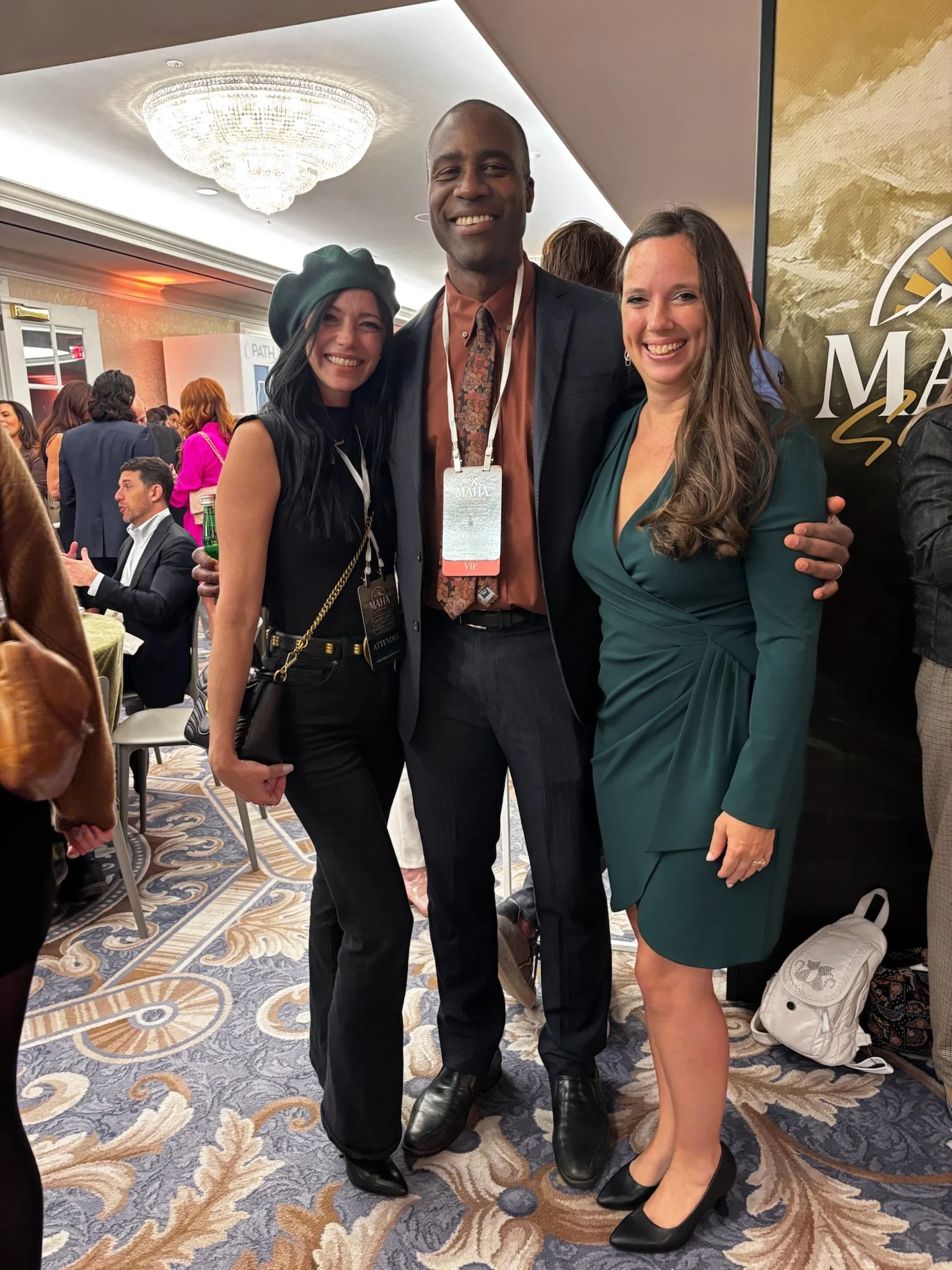
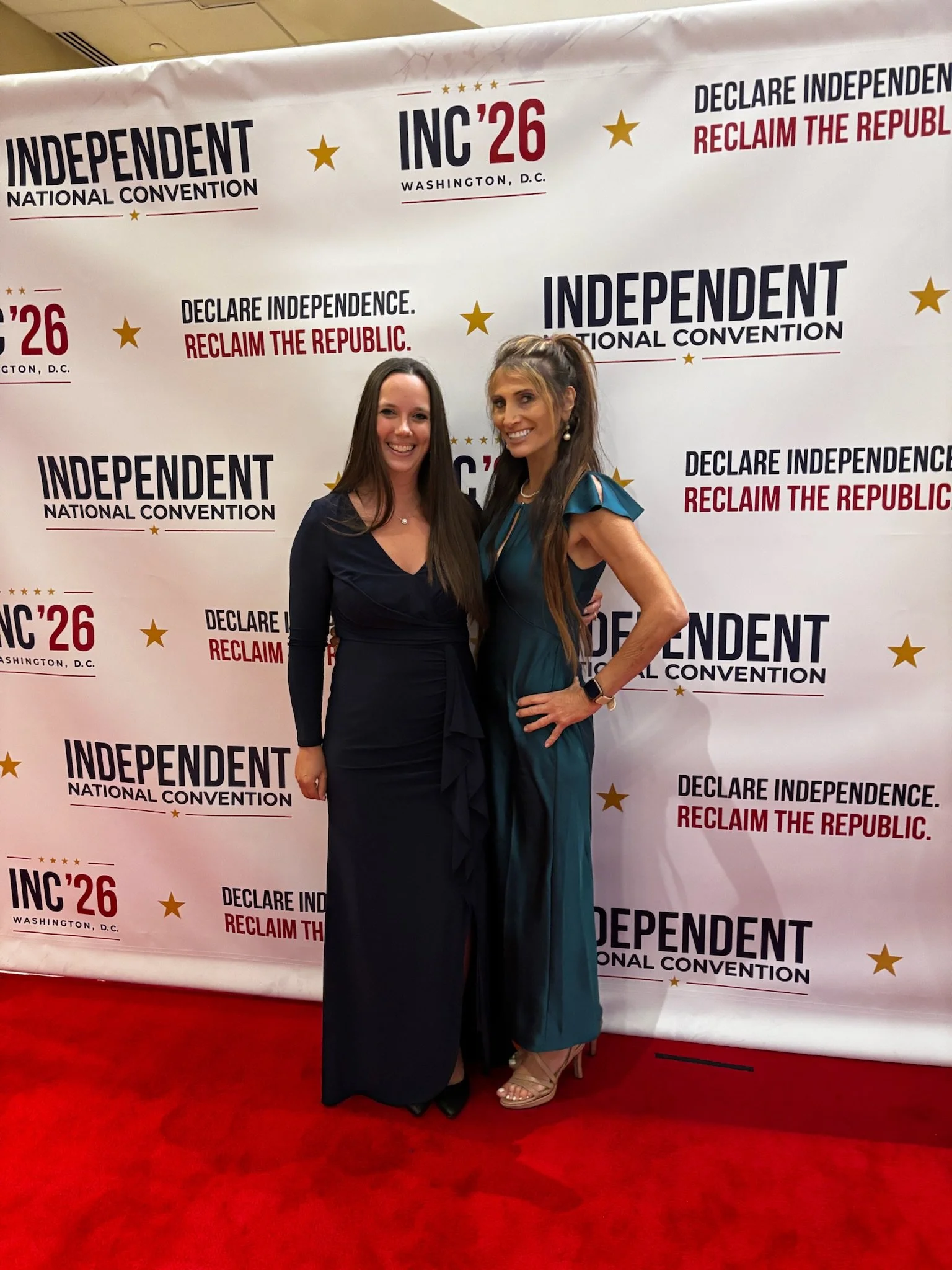
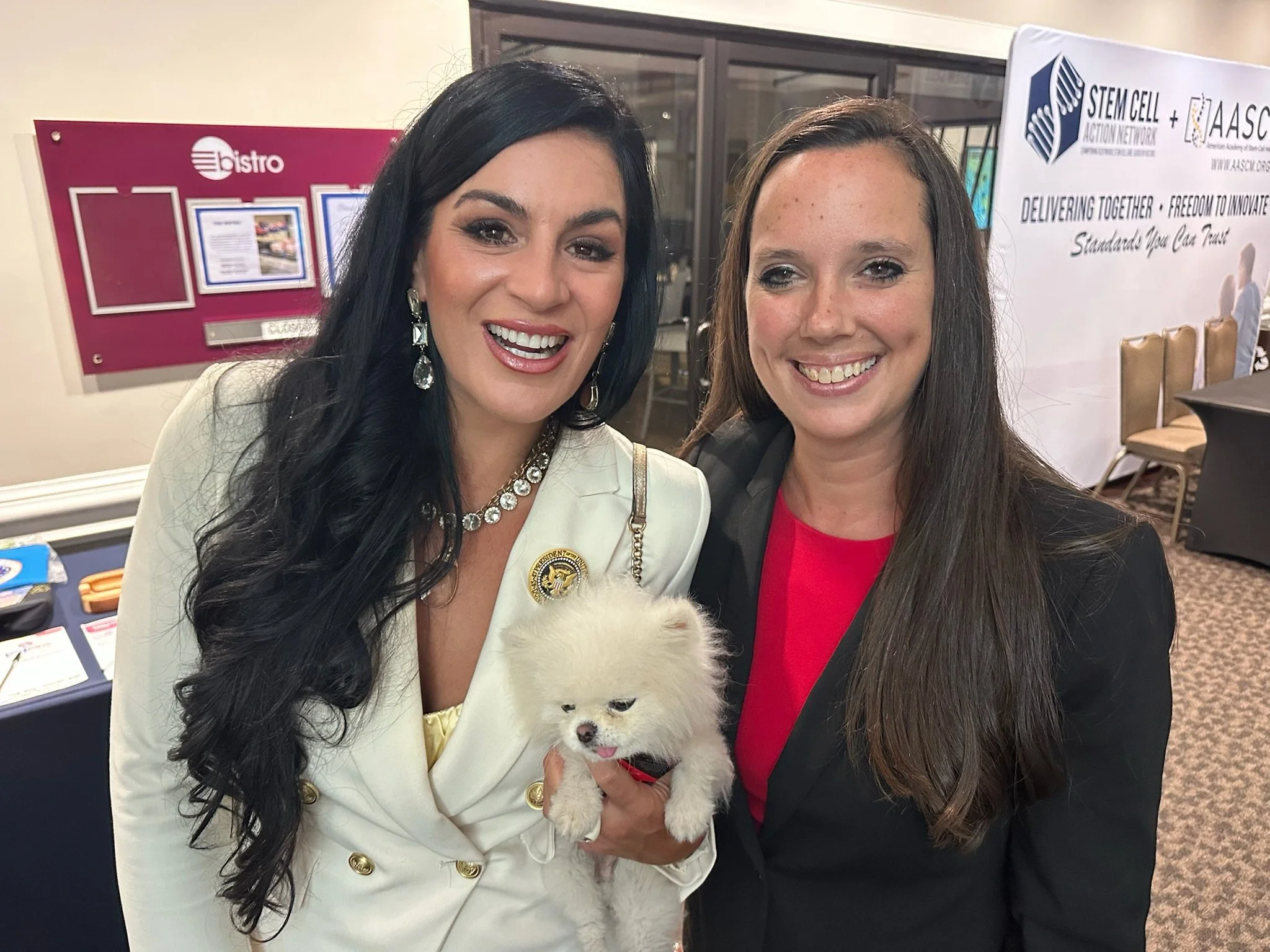
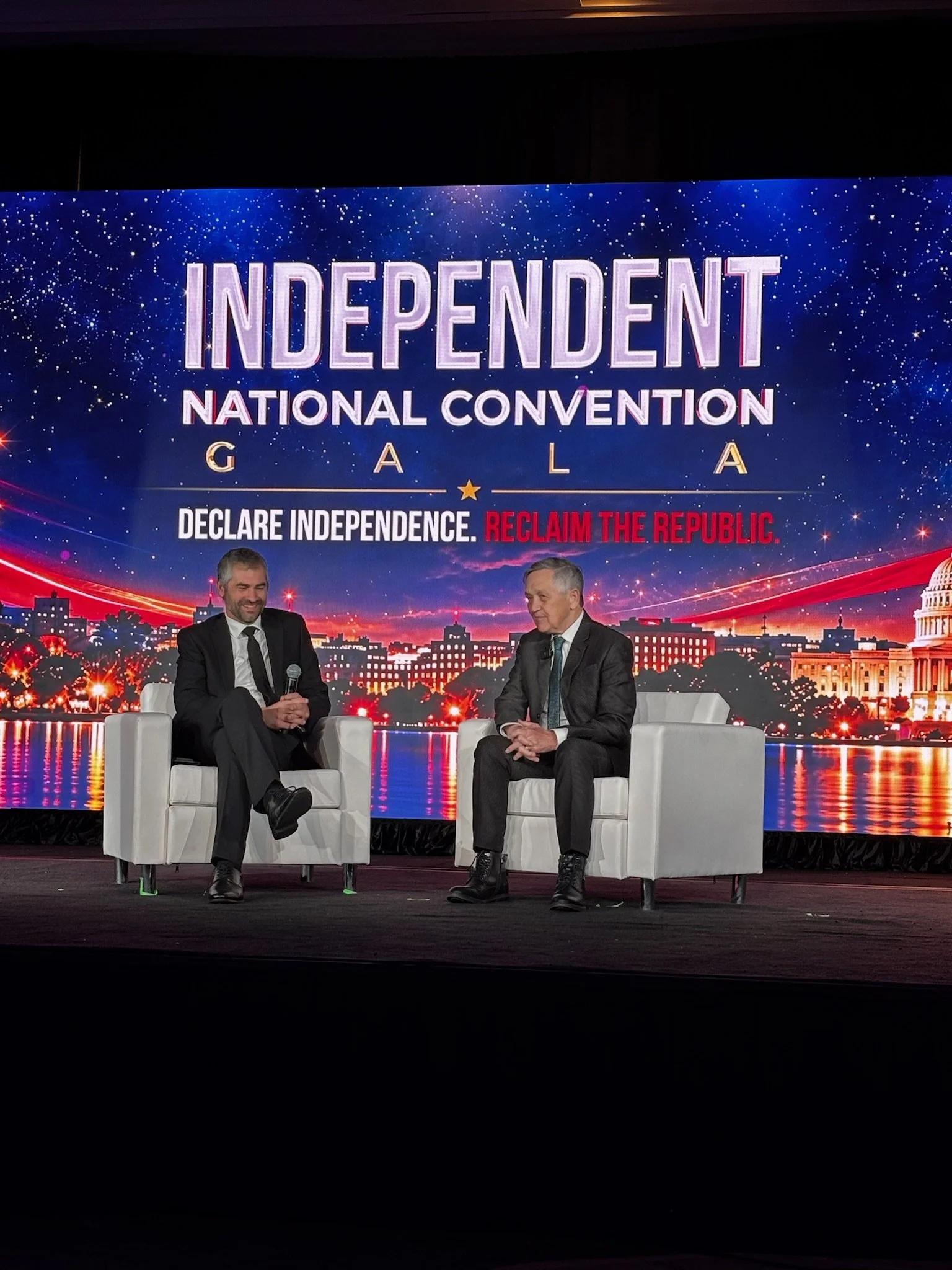
A seat at national tables: MAHA Institute policy roundtables, the MAHA Summit, MAHA Action, lobby days, collaborations with Moms Across America, and monthly HHS events on social media harm, food, and children’s health.
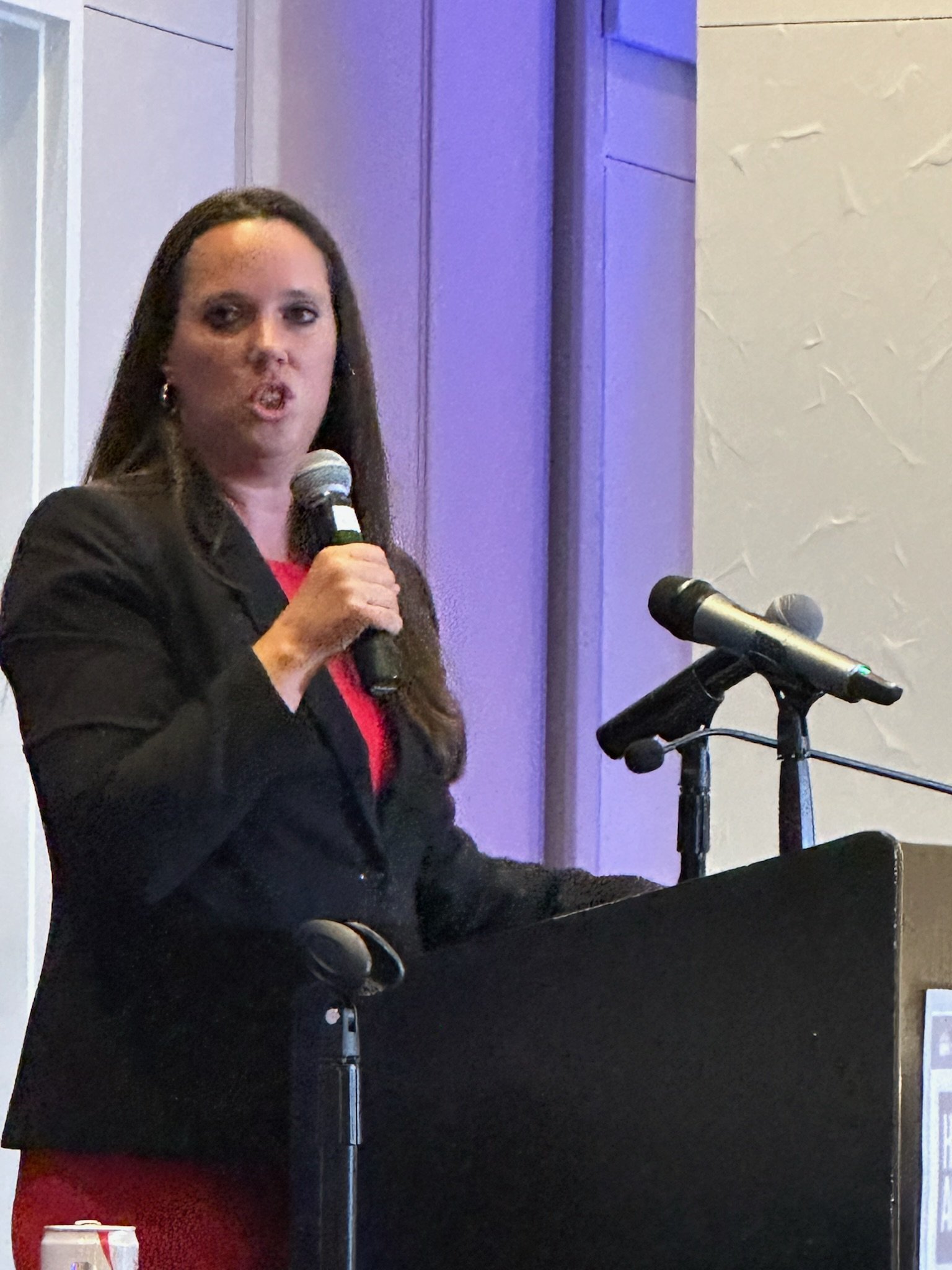
Keynotes and panels at national Healthy America conferences.
Through all of it, we raised the same issues in every room: parental rights, health freedom, exemptions, religious liberty, children’s rights, and educational access.

A Federal Lever California Can’t Ignore
On August 10, the President signed Executive Order 14420 on childhood vaccine recommendations. Section 4 directs the Attorney General to support legal challenges to state laws that conflict with parental authority and religious freedom, including states’ obligations to provide religious and medical exemptions. It also directs DOJ, Education, and HHS to make sure their grantees, including states, comply.
California’s public health director responded that the order “will not change anything in California.” Our state still offers no religious exemption. That is exactly why the federal funding question matters, and why the GRACE Act below is so important.
Where the Federal Bills Stand
The current Congress ends January 3, 2027. A bill that hasn’t passed by then has to be reintroduced and start over. With the November 3 election ahead, these last three months are when cosponsors and pressure count most.
The Farm Bill pesticide shield: still out, but the fight has shifted
The House passed the Farm Bill on April 30 with the pesticide liability shield stripped out. The Senate Agriculture Committee failed to advance its version in August, then passed it 12–11 on September 16. The Senate draft did not include the language blocking states from setting their own pesticide labeling rules. No Senate floor vote is expected before the election, and House and Senate negotiators are already working out differences informally. That is where the shield could try to come back, and we are watching.
There’s bigger news, though. On June 25, the Supreme Court ruled 7–2 in Monsanto v. Durnell that federal pesticide law blocks state “failure to warn” lawsuits seeking a warning beyond the EPA-approved label. Much of what the shield would have done, the Court has now done. That makes the two accountability bills below more important than ever.
The chemical accountability bills
S. 2324, Pesticide Injury Accountability Act (Sen. Cory Booker). Creates a federal right to sue pesticide makers for injuries. After Durnell, this is one of the clearest paths left for injured families. It still needs Senate cosponsors.
H.R. 7601, No Immunity for Glyphosate Act (Reps. Thomas Massie and Chellie Pingree). Blocks federal funds for the February glyphosate executive order and says manufacturers get no immunity. It now has seven cosponsors from both parties, including California’s own Rep. Mike Levin.
The vaccine accountability bills
H.R. 4668, End the Vaccine Carveout Act (Rep. Paul Gosar). Would let vaccine-injured families go straight to court instead of being forced into the federal compensation program first. It has 30 cosponsors and is waiting in the Energy and Commerce Committee.
S. 3853, End the Vaccine Carveout Act (Sen. Rand Paul). The Senate companion, cosponsored by Sen. Mike Lee and waiting in the HELP Committee.
H.R. 1432, The LIABLE Act (Rep. Chip Roy). Removes federal immunity for COVID-19 vaccine manufacturers, retroactively. Still in House Judiciary.
Religious liberty in schools
H.R. 5075, The GRACE Act (Rep. Greg Steube). Cuts off federal education funding to schools that refuse religious exemptions to vaccine requirements. New this summer: on July 23, Sen. Mike Lee introduced the Senate version, cosponsored by Sen. Tommy Tuberville. For California families, this is the most important bill on the list.
What You Can Do This Week
Ask your senators to cosponsor S. 2324. After the Supreme Court ruling, this one matters most.
Ask your senators to cosponsor the Senate GRACE Act and S. 3853.
Send letters on the House bills:
H.R. 5075, The GRACE Act (Support)
H.R. 4668, End the Vaccine Carveout Act (Support)
H.R. 1432, The LIABLE Act (Support)
Farm Bill Pesticide Immunity Shield (Oppose Unless Amended)
Every campaign includes a phone script and a way to post directly to your representative.
What Comes Next
A new Congress begins in January, and we’ll be ready with bills to reintroduce and members ready to carry them. HHS reports under the executive order are due in early November. The new California Legislature convenes December 7.
At the White House, we were asked: “What solutions do you have?” We’re asking you the same thing. Hit reply and tell us what policies would strengthen parental rights, protect religious freedom, or remove barriers your family is facing.
Congress doesn’t move because a bill is good. It moves because enough people make it uncomfortable not to. Thank you for being those people.
Sincerely,
Amy Bohn
Co-Founder and CEO, PERK